
Tourism: it’s more than just a fancy word for taking a break from your daily grind. It’s a fascinating blend of adventure, culture, and sometimes questionable food choices. Whether you’re lounging on a tropical beach or trudging through an historic city, understanding the definition of tourism goes beyond simple travel. Curious? Buckle up as we take a journey through the definition, types, and impact of tourism, it’ll be more exciting than your last family vacation.
Historical Context Of Tourism
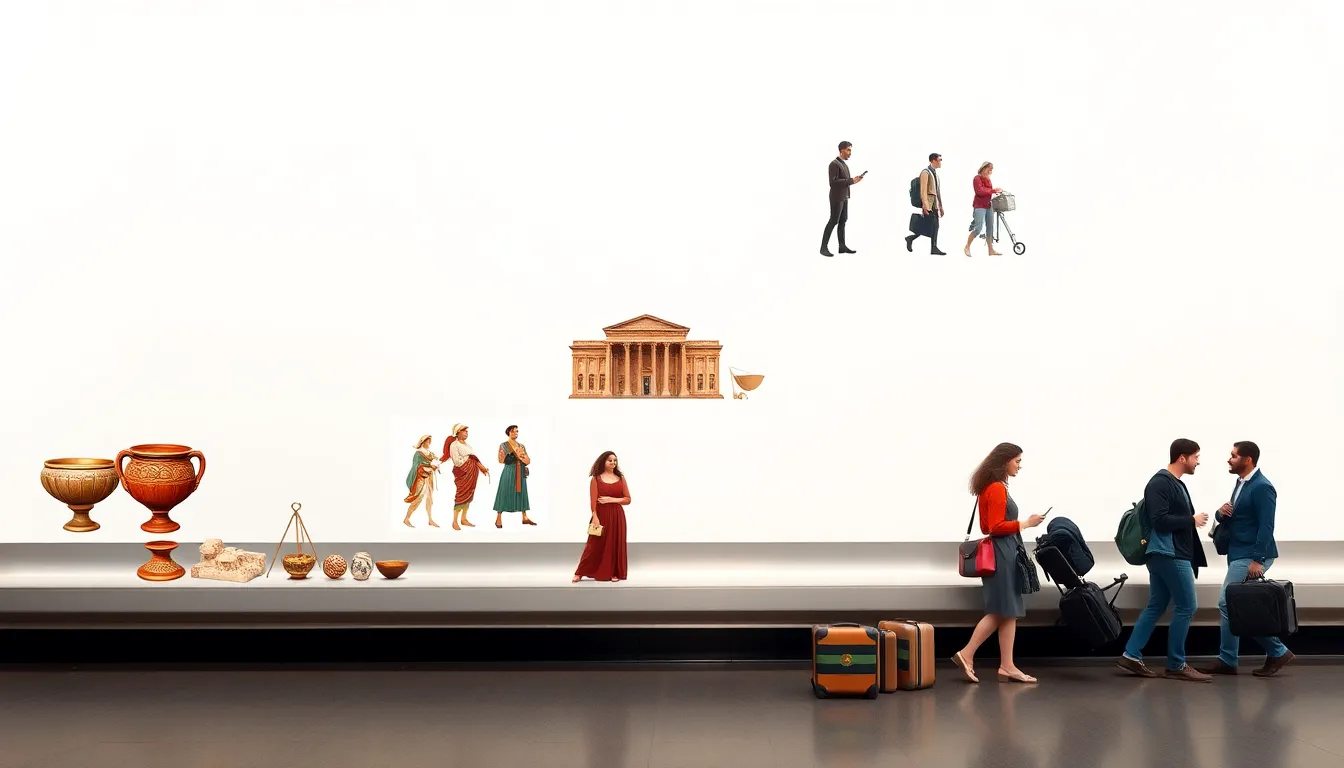
Tourism has roots that stretch far back in history. It can be traced to ancient civilizations, where traveling was often for trade and pilgrimage instead of leisure. The wealthy of Rome would travel to the Mediterranean for holidays, while the Greeks embarked on journeys to attend the Olympic Games.
Fast forward to the Middle Ages: travel became more challenging due to instability and lack of infrastructure. But as the Renaissance sparked interest in art and knowledge, the Grand Tour emerged. Young elites would journey through Europe to experience culture firsthand, laying the groundwork for modern tourism.
With the advent of the Industrial Revolution in the 19th century, people began traveling for recreation. The introduction of railways made travel accessible to broader audiences. Soon after, Thomas Cook pioneered organized trips, transforming tourism into the commercial enterprise it is today. This historical complexity adds depth to the definition of tourism as it evolved from necessity to leisure.
Types Of Tourism
Understanding the definition of tourism also involves recognizing its various types. Here’s a rundown of the most common forms:
Leisure Tourism
As the name suggests, this type is all about relaxation and enjoyment. Think beaches, resorts, and endless lie-ins.
Ecotourism
Focusing on nature and conservation, this type seeks to protect the environment while giving travelers unforgettable experiences in natural settings.
Cultural Tourism
Travelers engage deeply with local cultures, traditions, and history. It’s not just about visiting landmarks: it’s about absorbing life from the locals’ perspectives.
Adventure Tourism
For those who crave an adrenaline rush, activities such as trekking, rock climbing, and scuba diving fall under this category. It appeals to thrill-seekers and outdoor enthusiasts.
Business Tourism
This involves travel for work-related purposes. Conferences, meetings, and trade shows are primary venues for this type.
Medical Tourism
Patients sometimes cross borders for medical treatment, seeking both affordability and advanced healthcare options.
Sports Tourism
Fans often travel to significant sporting events, be it attending a World Cup or the Olympics.
Each type contributes uniquely to the overall understanding of tourism.
Key Components Of Tourism
The definition of tourism hinges on several key components that work together to create a seamless experience. Here are some essential elements:
Attractions
These can be natural wonders, historical sites, or exciting events. They draw visitors and serve as the focal point for most travels.
Amenities
Hotels, restaurants, and shopping centers provide necessary services that enhance the overall experience. Comfort and accessibility contribute heavily to a tourist’s satisfaction.
Accessibility
This refers to the transportation infrastructure needed for tourists to reach their destinations comfortably. Well-connected cities usually see higher tourism numbers.
Activities
These include all the experiences offered to travelers, from guided tours to cultural events. Engaging activities keep tourists coming back for more.
Marketing
Effective marketing strategies play a crucial role in attracting visitors. Digital marketing, social media presence, and partnerships with travel influencers can significantly amplify visibility.
Economic Impact Of Tourism
Tourism isn’t just fun: it’s a powerhouse in the global economy. The economic impact of tourism is substantial and multifaceted. Here’s how it contributes to various sectors:
Job Creation
Millions of jobs depend on tourism, from hotel staff to tour guides. This sector provides employment opportunities across many skill levels, which can help reduce unemployment in destination areas.
Revenue Generation
Tourism generates significant revenue through various channels, including taxes, fees from attractions, and spending on accommodations. Many countries heavily rely on this income to support their economies.
Infrastructure Development
With increased tourist traffic, governments are often incentivized to improve infrastructure, leading to better roads, airports, and public transport systems. It aids not just tourists but also local residents.
Local Businesses
Small and medium enterprises thrive through tourism. Restaurants, shops, and local businesses benefit from the influx of visitors, leading to further economic diversification.
Environmental Considerations In Tourism
While tourism brings in economic benefits, it requires careful consideration of environmental impacts. As more travelers flock to popular destinations, pressures increase. Here are some critical environmental considerations:
Resource Depletion
Increased tourism can strain local resources like water and energy. Popular destinations may experience shortages, affecting both locals and visitors.
Pollution
Air, water, and land pollution often escalate in tourist-heavy areas. It’s crucial for destinations to carry out sustainability practices to mitigate these effects.
Wildlife Disruption
Tourists can disturb natural habitats, putting wildlife at risk. Responsible tourism practices prioritize the protection of local ecosystems and biodiversity.
Conservation
On the flip side, tourism can promote awareness and funding for conservation efforts. Responsible eco-tourism initiatives can help preserve endangered environments.
Cultural Significance Of Tourism
Tourism carries substantial cultural significance. It’s more than just visiting: it’s an exchange of ideas and customs. Here’s how tourism enriches cultural life:
Cultural Exchange
Travelers and locals share traditions, customs, and stories. These interactions can foster understanding and tolerance across cultures.
Preservation of Traditions
Tourism can lead to the revitalization of local traditions and arts, as visitors often seek authentic experiences that encourage communities to preserve their heritage.
Global Awareness
As tourists share their experiences through social media and other channels, they raise awareness about various cultures worldwide, making the world smaller.
Future Trends In Tourism
The future of tourism looks promising and dynamic. Here are some trends that are likely to shape the industry moving forward:
Sustainable Tourism
As concerns for the environment grow, travelers are leaning towards eco-friendly options. Sustainability is becoming a priority, with more tourists choosing responsible travel options.
Technological Innovations
From Virtual Reality tours to AI travel planners, technology is revolutionizing how people plan and experience their trips. These advancements make travel more accessible and customizable.
Health and Safety Awareness
Post-pandemic, travelers are increasingly concerned about hygiene and safety. The industry must adapt to these evolving expectations to ensure visitor confidence.
Personalized Experiences
With data analytics, the travel industry can now offer highly personalized recommendations, making each trip unique.